October 20, 2025
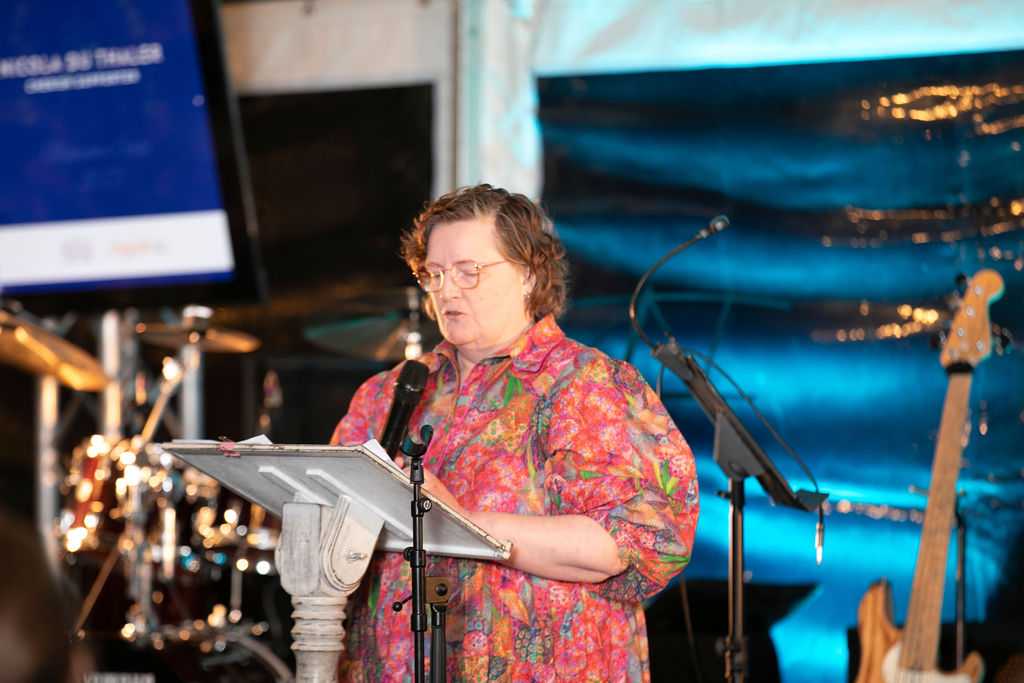
Breaking the silence: Nicola’s journey through vulvar cancer
In 2018, six months after a hysterectomy for adenomyosis, Nicola developed eye-watering, itchy lumps on her vulva. Her GP referred her to a gynaecological oncologist, who confirmed after a punch biopsy that she had vulvar cancer.
It had not crossed Nicola’s mind that you could ever get cancer there. Faced with either radiation and chemotherapy or surgery—Nicola chose the first option. For six weeks, she endured daily radiation and weekly chemotherapy, resulting in severe side effects like burns, blistering, and persistent pain. Her husband, Richard, supported her through every step, driving her to appointments and helping her manage the aftermath.
Six months after treatment, Nicola returned to her job as a schoolteacher. Still, she found it challenging due to the physical and emotional toll of her treatment. Three years later, the cancer returned, requiring radical surgery this time. Surgeons removed the tumour, inserted a stoma, and reconstructed the area. The recovery was gruelling, with many months of pain, infections, and mobility issues.
In 2021, tragedy struck when Richard was diagnosed with incurable bowel cancer. He passed away in December 2022. Their journey inspired Nicola to advocate for greater awareness of vulvar cancer.
“Vulvar cancer is rare and isolating,” Nicola said. “There’s little support compared to other cancers. I used to be embarrassed, but now I speak openly with friends and encourage others to keep asking questions and advocate for themselves.”
Seven years after her diagnosis, Nicola is rebuilding her life. Despite worries about recurrence, she is determined to foster conversations that could save lives.
Add years to her life and life to her years with Cherish.
Why the ANVU trial?
Vulvar cancer is a rare cancer that grows from the skin of a female’s genital organs. Due to its private location, it is not openly discussed and is under-researched. Its incidence is rising, especially in younger women. Even more concerning is its aggressive treatment, which often leaves women with debilitating side effects for life.
Treatment for vulvar cancer includes the surgical removal of the affected vulvar skin, which sometimes requires plastic surgery to cover the skin defects and the surgical removal of some or all the lymph nodes.
About 2,500 Australian survivors live with traumatic treatment side effects like wound breakdown, , impaired mobility, increased susceptibility to infections, and persistently painful and disfiguring limb swelling, known as lymphoedema. These side effects can make it impossible for some women to resume everyday life after treatment.
Pre-ANVU and NODE
Despite high survival rates for vulvar cancer, women often experience a decline in their quality of life after treatment. Low-risk patients may have unnecessary surgery, and high-risk patients may be undertreated, leaving undetected cancer in the lymph nodes, which can be fatal. We believe there is a viable alternative for most women and urgently need to complete the research to prove this.
Given the difficulty in securing funding for a rare cancer trial, the QCGC Research team started a small study, Pre-ANVU, to assess the accuracy of using high-resolution groin ultrasound to identify if the cancer had spread to the lymph nodes. While this study is ongoing, it is too early to say if it will spare women lymph node surgery without compromising their survival.
Pre-ANVU is also designed to prepare the sites for the Australian National Vulvar Cancer (ANVU) study, a Phase 2 randomised clinical trial with 240 participants. Through Pre-ANVU, the team aims to ensure the sites and teams, especially radiologists, are equipped to run ANVU to the highest standard.
The NODE (groiN ultrasOunD cancEr) study runs concurrently with Pre-ANVU to test the feasibility of randomising women with early-stage vulvar cancer into either surgical removal of groin lymph nodes (standard care) or groin node ultrasound monitoring at sites in Queensland.
These two feasibility studies are vital stepping stones toward the successful implementation of the ANVU trial. By thoroughly testing and refining the methodologies and site preparations, the QCGC Research team is working to ensure that the Phase 2 trial will be conducted with the highest level of accuracy and care, ultimately aiming to improve outcomes for women with vulvar cancer.
ANVU – a world first
Before groin ultrasound monitoring can be made available as a treatment option, it must be rigorously tested in a large, randomised, controlled clinical trial. The ANVU trial is a world-first for vulvar cancer. It involves national and international stakeholders and sites across Australia and the world, working together to answer the research question: can non-invasive groin ultrasound monitoring replace surgical removal of the groin nodes for early-stage vulvar cancer patients?
ANVU will compare the outcomes following groin node surgery versus two-monthly ultrasound monitoring for 12 months. By conducting the ANVU trial, the team aims to achieve the following outcomes:
We also want to give women the choice to select a treatment that best suits their individual needs, as one solution does not fit all.
Meet the researcher
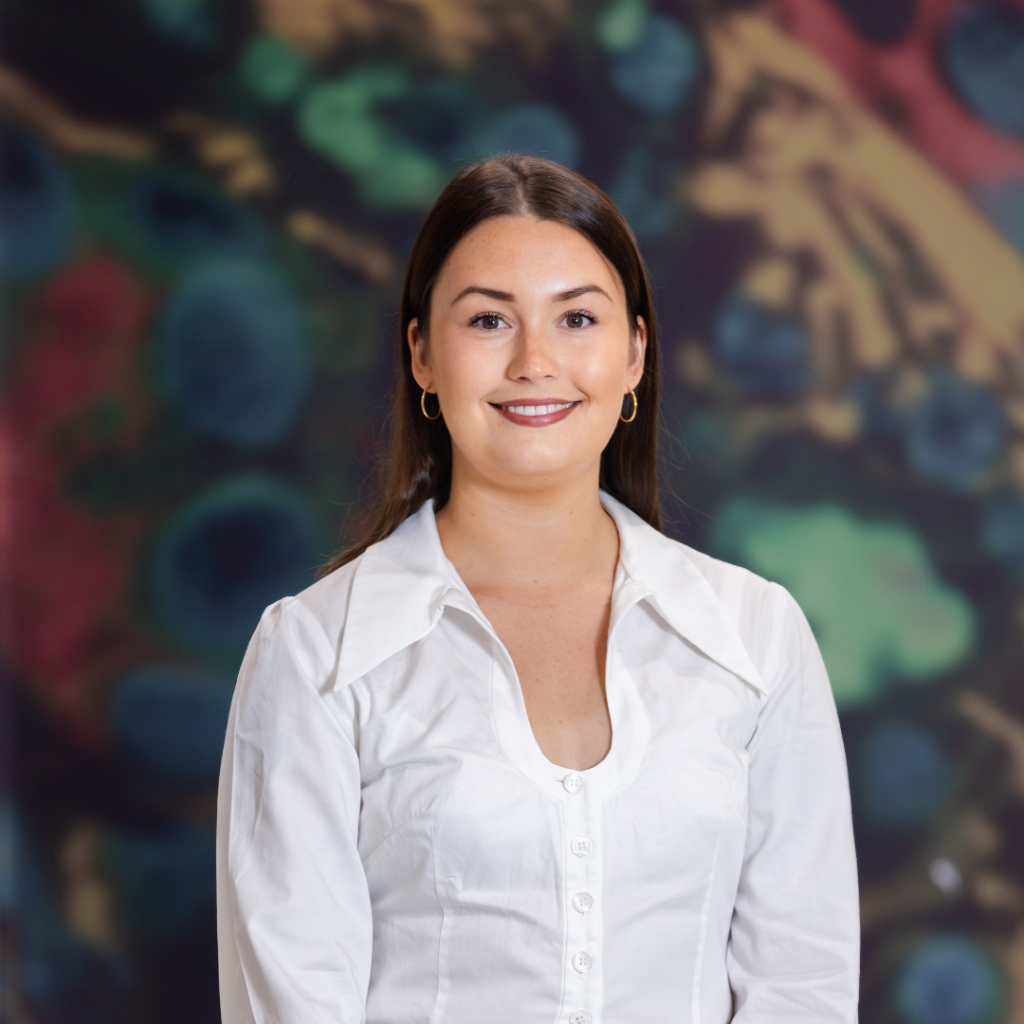
Brianna Armstrong hopes by the time she’s ready to retire, doctors will treat women with vulvar cancer dramatically differently.
“Changing clinical practice can take a long time, but I hope through the ANVU trial, we will see change within the next decade,” Brianna said.
Brianna is the Clinical Trial Manager responsible for managing QCGC Research’s vulvar cancer trials (Pre-ANVU, NODE, and ANVU). Before joining the team, she worked in pharmaceutical trials for COVID-19 and cancer drugs. When she met the QCGC Research team, she was struck by their passion and drive to improve treatments for women with gynaecological cancer.
“I’m heavily involved in setting up the vulvar cancer studies. From ethics to setting up sites, contracts and insurance, there’s a lot of paperwork before a trial can begin,” Brianna said. “I also recruit patients with vulvar cancer and follow them through the study. There are few clinical trials for patients with vulvar cancer, and they are very receptive to volunteering.
“The majority of women I speak with have never heard of vulvar cancer before being diagnosed, yet they want to participate even if it doesn’t directly benefit them. NODE and ANVU will change the treatment approach for some women with early-stage vulvar cancer to groin ultrasound monitoring every two months for 12 months instead of the standard groin lymph node surgery. When I explain these trials to patients, most people are really excited about the prospect of ultrasound monitoring, which shows how strong the need is among vulvar cancer patients for better treatment options.”
Brianna is completing a Master of Public Health but is inspired to stick with this work.
“Vulvar cancer research is a field that’s under-funded, often overlooked, and especially in rural and remote areas, some women are simply not getting the treatment they need. Being here at the start and knowing how significant this research is, I’m particularly motivated to see its impact.”
Your impact
Women with vulvar cancer who volunteer for the Pre-ANVU and NODE studies say this often: “Even if this trial is unlikely to help me, I want to get involved to spare other women this pain in the future.”
As vulvar cancer is rare, it is more difficult to secure government funding for its research. Recruiting the required number of patients for ANVU will also take longer. By including sites across Australia and the world, the QCGC Research team can accelerate the research outcomes, but only if they can secure philanthropic support to continue.
Each site they add to the ANVU trial comes at a financial cost to cover establishment fees, legal fees, patient recruitment and health professional training.
Seed funding from Cherish enabled the team to set up Pre-ANVU and gather data to support their concept. But this is just the beginning. They need significant funding for a randomised controlled clinical trial to transform their innovative approach into clinical practice.
Supporting clinical research is a gift to the future – an enduring statement of your values.
When you plant a tree, you don’t expect to enjoy the shade or eat the tree’s fruit immediately. It takes many years for the tree to grow and provide. Likewise, gynaecological cancer research is unlikely to benefit women today. Yet, with your support, in the future, it will deliver vastly better treatment for women with vulval cancer, adding years to her life and life to her years.
“Someone’s sitting in the shade today because someone planted a tree a long time ago.” — Warren Buffett
Why Cherish?
“Working with patients, I can see how strong the need is for treatment choices that empower patients with vulvar cancer. ANVU is our opportunity to give women choices, remove unnecessary suffering and improve their quality of life after treatment.” Brianna Armstrong
From humble beginnings in Queensland, Cherish Women’s Cancer Foundation is now a national charity. Cherish exists to fund research into all types of gynaecological cancer and raise awareness that saves and enhances women’s lives. Cherish supports early clinical research, helping to fund small, innovative projects that otherwise would not get funding.
For over a decade, Cherish has partnered with the Queensland Centre for Gynaecological Cancer (QCGC) Research to accelerate clinical trials with the potential to transform how doctors treat women with gynaecological cancer.
Add years to her life and life to her years with Cherish.

Cherish Women’s Cancer Foundation © 2026 | Developed by